1. Keep a tiny maintenance kit on site
A microfibre cloth, isopropyl alcohol, a small can of compressed air and a spare toner of each colour. That's the kit. Ninety percent of the small calls our engineers attend could be resolved by a confident user with those four items and three free minutes.
2. Replace consumables before the warning, not after
Toner and ink cartridges run roughly to spec, but the last few percent are unkind: streaks, banding and ghosting that ruin a hundred pages before someone calls. Track replacements in your asset list and order one pack ahead, so you swap on a calm Tuesday — not a panicked Friday afternoon.
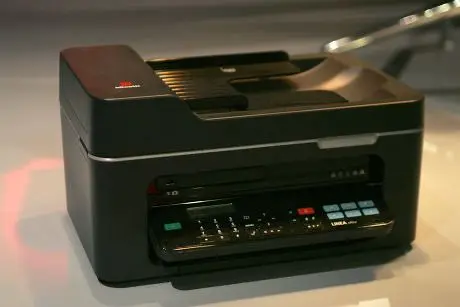
Most "broken" copiers we get called out to are perfectly healthy machines running low on a single consumable.
3. Treat paper like a fresh ingredient
Paper absorbs moisture from the air. Old reams stored sideways near a window curl, swell and jam. Store paper sealed, flat, at room temperature, and rotate stock so the oldest pack is the next one opened.
A 30-second weekly check
- Is the paper feed tray sitting flush, with both guides snug to the stack?
- Does the bypass tray close fully?
- Any visible dust on the glass or ADF rollers?
4. Update firmware on your terms
Most modern multifunction devices push firmware automatically. Disable that on critical machines and apply updates manually after-hours. A device that reboots into a 12-minute update during the morning rush is the avoidable disaster you're trying to prevent.
5. Use the service contract you already pay for
If you have a maintenance agreement with LOS — or any vendor — schedule the preventive visits, even when nothing is broken. The point is to catch wearing parts before they fail. Our engineers can usually predict the next service event from the meter and the noise the machine makes; that's only useful if they get in front of it.
Bonus: write down the model number
Stick a small label on every machine with model, serial and the date it was installed. When you call us about "the printer in finance, the loud one", everyone saves ten minutes.